
- Opinion Articles
- When Social Media Falls at the Ballot Box: The Election of Dhaka-9
When Social Media Falls at the Ballot Box: The Election of Dhaka-9

Utkarsh Mishra
After a coup in Bangladesh against the Sheikh Hasina-led Awami League, which was strikingly similar to the one in Nepal, to the extent that the coup was largely undertaken by Gen-Z. Subsequently, akin to Nepal, Bangladesh also underwent another election in a bid to establish democracy.
The results in Bangladesh were as expected, with the BNP securing an overwhelming majority and Tarique Rahman set to lead the country.
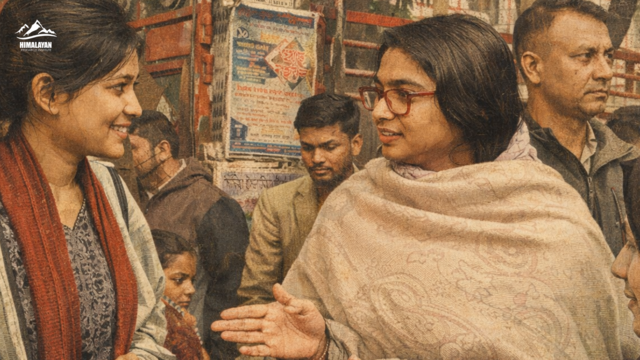
Amid the election, the coup and the bloodshed, the name of Dr Tasnim Jara echoed. A doctor by profession and an exceptionally popular social media figure during the Bangladesh elections, she had millions of followers and appeared poised to be the legislator and hope of the 2.5 million people of Dhaka-9.
The campaign was insanely glossy on social media, and the comment section of opposition leaders looked flooded with her fans. Everything was looking to come to fruition with a thumping electoral victory. Tasnim Jara was expected to be the “new” face of Dhaka. However, the results did not align with expectations. She came third, and the BNP candidate absolutely routed her by securing almost three times the votes.
The question we should ask is where all those social media warriors went and why they did not turn out to the polls to support her cause. She looked to be the changemaker of Bangladesh, the new wave of politics, and the entire internet ecosystem was trying to make us believe that there is no chance of her losing the election.
Also read: Gen Z Protests in Nepal: Is this uprising changing the political landscape in South Asia?
Actually, the math went wrong as people grossly overestimate the value of social media in democratic elections. Elections are rarely won on social media. An election is won by dedicated people who spend their days and hours going to marginalised communities to spread their message. Elections are conducted by a set of followers who ensure that the 90-year-old woman who supports their leader is given a ride to the polling place. Elections are a living embodiment of collective action and spirit, while social media is viewed as an easy swipe, fostering a “good time” and messing with people.
The loss of Dr Tasnim Jara is a pertinent reminder to all of us to realise that the same could also be the case in Nepal, where the situation might appear different from the actual voter mindset. The supposedly decided election on social media might be extremely different from what the real people, the villagers, the people on the hills, feel. Therefore, every party should ensure that its message also reaches the people of Nepal, not only through a phone screen but also through people in markets, tea shops, and among local loyalists.
Disclaimer: The views expressed in this article are solely those of the author and do not necessarily reflect the official stance of The Himalayan Research Institute Pakistan (THRIP)
_________________________________
Utkarsh Mishra is a global political consultant currently working on the campaign of Nepal's Prime Minister. He can be reached at: [email protected]
Contact us

Write with Us
The Himalayan Research Institute is proud to introduce "Himalayan," a dynamic and insightful magazin...
- [email protected]
- +923426470466
- website