
- Opinion Articles
- Patriotism without Jingoism: A Strategy for National Security
Patriotism without Jingoism: A Strategy for National Security

Faisal Gul
Love your country but avoid shouting down those who are not shouting with you. The distinction is captured by George Orwell, who describes patriotism as a devotion to one's country and its way of life, which one holds to be the best in the world but does not seek to impose on other nations. Nationalism, by contrast, is inseparable from the desire for power. This distinction is more pertinent now than ever; a state that wishes to be secure needs people who are patriotic, and it needs this patriotism to be constant. Jingoism—chest-thumping and eagerness for confrontation—makes good television but is a poor strategy. Patriotism based on confidence and responsibility is what sustains a nation.
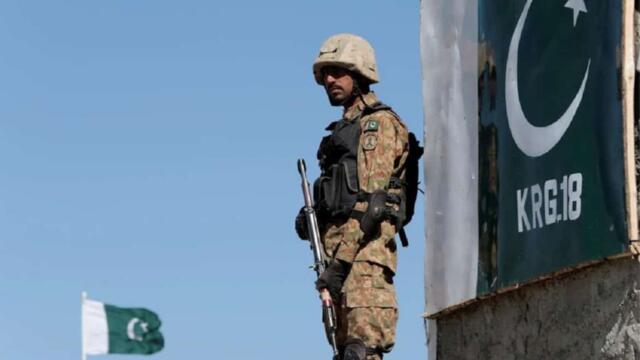
Security Begins with Cohesion: A nation's first line of defence is not its border posts or its arsenals, but the confidence its people have in it. Joseph Nye has argued that soft power—the ability to attract and persuade rather than coerce—is a part of national strength and comes from a country's culture, values, and conduct. A population that has faith in its institutions may be less divided, less susceptible to deception, and more likely to rally in times of crisis. This is why the 'quiet' forms of patriotism are so important. The nurse who works a double shift during a flood, the soldier who serves far from home for modest pay, and the teacher who tells children the story of their country with honesty and pride are all more valuable to the state than any slogan. National security is built day by day, in the routine lives of ordinary citizens, long before any emergency arises.
Strength That Speaks Softly: A confident state does not need to bluster. Theodore Roosevelt's advice to 'speak softly and carry a big stick' is sound because it acknowledges that deterrence works better when a country is capable and prepared. Deterrence relies on rivals believing that a country is both able and willing to defend itself, which rests on preparation, discipline, and clear communication rather than bombast. A calm and professional approach also leaves the state with more options. Leaders who have not tied themselves in knots with inflammatory rhetoric can de-escalate, negotiate from a position of strength, and choose their moment to act. Restraint is, in this sense, a mark of a state that is secure enough to act when it wants to.
Investing in the Foundations: Patriotism that remains at the level of sentiment achieves little; it must translate into investment in the things that make a country strong. That requires well-trained and well-equipped armed forces, capable intelligence and law-enforcement agencies, protected infrastructure, and a strong economy. It also means being prepared for threats that an army cannot shoot at: cyberattacks, disinformation campaigns, pandemics, and climate disasters. The modern understanding of security, encapsulated in the United Nations Development Programme's 1994 Human Development Report, recognizes that food, health, economic stability, and personal safety are all dimensions of human security. Education is also critical. Citizens who understand their country's history, institutions, and sacrifices are more likely to defend them sensibly. Media literacy is equally important because a public that can spot manipulation is harder for hostile actors to exploit.
Service as the Highest Expression: The most authentic form of patriotism is service. It can be seen in military and police uniforms, but it is also found in paying taxes honestly, obeying the law, voting, volunteering, and participating in disaster relief. Robert Putnam argued that civic engagement and social capital contribute to the social trust that underpins strong societies. Every citizen who contributes to national resilience. I would add a note on the armed forces and security services. Their authority depends partly on public respect, which is earned through professionalism, discipline, and loyalty to the constitutional order. A nation that honours its defenders, supports their families, and holds them to exacting standards is better placed to build a security establishment that it can trust.
A Confident Path Forward: A strong nation is one that balances pride with prudence. It celebrates its history without pretending that history is simple, defends its interests without seeking unnecessary quarrels, and welcomes cooperation with friends while being prepared to stand alone. This combination protects the country abroad and unites it at home. The strategy is not complex, although it is demanding to cultivate patriotic citizens, invest in defence and resilience, project strength calmly, and choose allies carefully, keeping the national interest as the compass. Patriotism of this kind requires no shouting; it gets on with the work of keeping the country safe, and ultimately, that is what makes a nation secure.
Disclaimer: The views expressed in this article are solely those of the author and do not necessarily reflect the official stance of The Himalayan Research Institute Pakistan (THRIP)
_________________________________
Faisal Gul is an undergraduate student of Defense and Strategic Studies at Quaid-I-Azam, University, Islamabad. He Can be Reached at: [email protected]