
- Opinion Articles
- Fuel Prices Are Rising Again: Can Pakistan’s Economy Bear Another Shock?
Fuel Prices Are Rising Again: Can Pakistan’s Economy Bear Another Shock?

Alishba Tahreem Malik
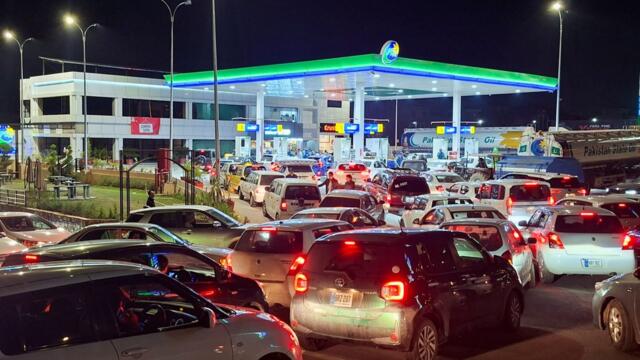
The Pakistani economy is once again facing a familiar challenge. The latest hike in fuel prices has made it harder for consumers to cope with inflation and the rising cost of living. On September 17, 2026, the federal government increased petrol prices by Rs6.88 per litre to Rs391.22 per litre and high-speed diesel (HSD) prices by Rs5.62 per litre to Rs421.45 per litre. These adjustments reflected increases in international petroleum prices and other relevant pricing factors (Radio Pakistan). One of the key contributors to these hikes is the surge in global crude oil prices. In early September, Brent crude rose above US$100 per barrel amid escalating geopolitical tensions in the Middle East and concerns about oil supply disruptions. Uncertainty surrounding the Strait of Hormuz, through which approximately one-fifth of the world's oil and gas supply passes, has further intensified these concerns (Reuters).
Pakistan imports a substantial share of its petroleum requirements and is therefore highly sensitive to fluctuations in international oil prices. According to the Pakistan Institute of Development Economics, Pakistan's dependence on imported energy exposes its economy to global price shocks. As crude oil prices rise, the country's import bill can increase, placing pressure on foreign exchange reserves and the current account. Higher import costs can also contribute to rising domestic fuel prices, increasing transportation, production, and distribution costs throughout the economy. The impact on ordinary citizens is immediate. When petrol prices rise, commuters travelling to work, taxi drivers supporting their families, and farmers transporting agricultural products must spend more on fuel. These higher transportation costs can eventually increase the prices of essential goods, including food, medicines, and other consumer products. As a result, inflationary pressures intensify while household purchasing power declines.
Businesses are not spared from these effects. Small and medium-sized enterprises (SMEs), which contribute significantly to employment and economic activity in Pakistan, also face rising production and logistics costs. Manufacturers must spend more to transport raw materials, retailers face higher delivery expenses, and service providers encounter increased operational costs. These additional expenses can weaken economic growth, reduce business activity, and discourage investment. Recognising the financial distress caused by rising fuel prices, the government has introduced measures to ease the burden on some low-income vehicle owners. It has also announced austerity measures, including cuts to fuel allocations for government vehicles, restrictions on official travel, and reductions in unnecessary public expenditure. While these measures may provide temporary relief, they cannot fully offset the broader economic effects of persistently high global energy prices (Reuters).
Also Read: Debt, Dependency & Development: How IMF Conditionalities Reshape Pakistan's Economic Policy and Who Pays the Price
The current crisis also exposes Pakistan's longstanding dependence on imported fossil fuels. A geopolitical conflict affecting global energy markets can quickly translate into economic pressure at home. This highlights the need for structural changes. Greater investment in renewable energy, expansion of public transport systems, promotion of fuel-efficient technologies, and diversification of domestic energy sources could strengthen Pakistan's energy security and reduce its vulnerability to external shocks. Relying on periodic fuel price adjustments is not sufficient to ensure economic stability. Pakistan needs comprehensive policy reforms that balance fiscal discipline with social protection. Targeted support for vulnerable households, further investment in public transport, stronger energy conservation measures, and accelerated investment in renewable energy should form part of the country's long-term national priorities.
Although Pakistan has faced economic challenges before, every crisis serves as a reminder of the importance of strengthening economic resilience. Fuel price hikes should not be viewed merely as another inflationary episode; they should be treated as a warning to policymakers about the risks associated with the country's heavy reliance on imported energy. Whether Pakistan can withstand future shocks will depend on sound economic management, sustainable energy policies, and strategic long-term planning that protects public welfare.
Disclaimer: The views expressed in this article are solely those of the author and do not necessarily reflect the official stance of The Himalayan Research Institute Pakistan (THRIP)
_________________________________
Alishba Tahreem Malik completed her graduation in International Relations and pursuing a M-Phil in Political Science from Government College University, Lahore.